Vision
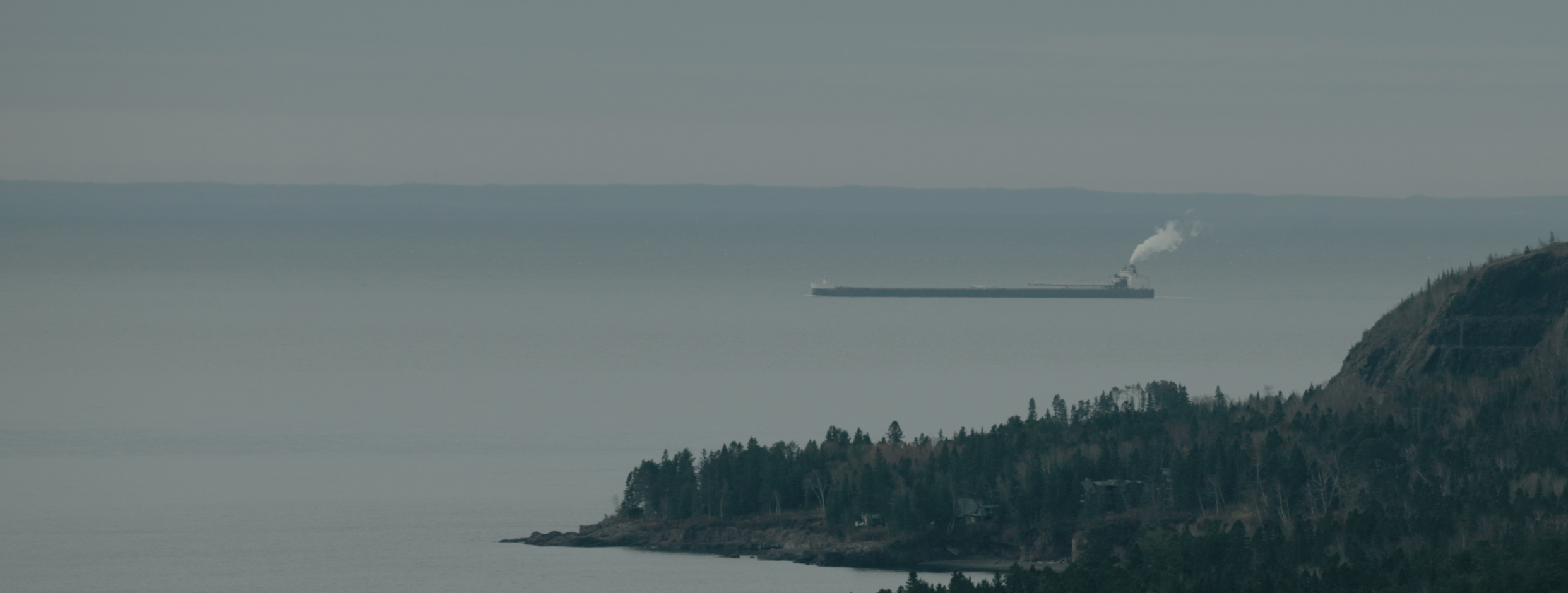
Great Lakes communities celebrate and conserve bird migration as a vital part of the region’s maritime culture.
The Conservation Challenge
Each year, billions of birds migrate through the Great Lakes region where critical stopover and airspace habitats intersect densely populated coastal areas. Already energetically taxed from their journey, nocturnal migrants are attracted to light pollution, further concentrating their movements into human-dominated landscapes full of hazards and lacking in quality habitat to rest and refuel. From habitat loss and predation by house cats to collisions with windows, communication towers, and wind turbines, this convergence creates critical risks for migrating birds. Despite growing scientific understanding of these threats and the availability of simple, cost-effective ways to help birds, public awareness remains limited, and protective actions have been slow to gain traction.
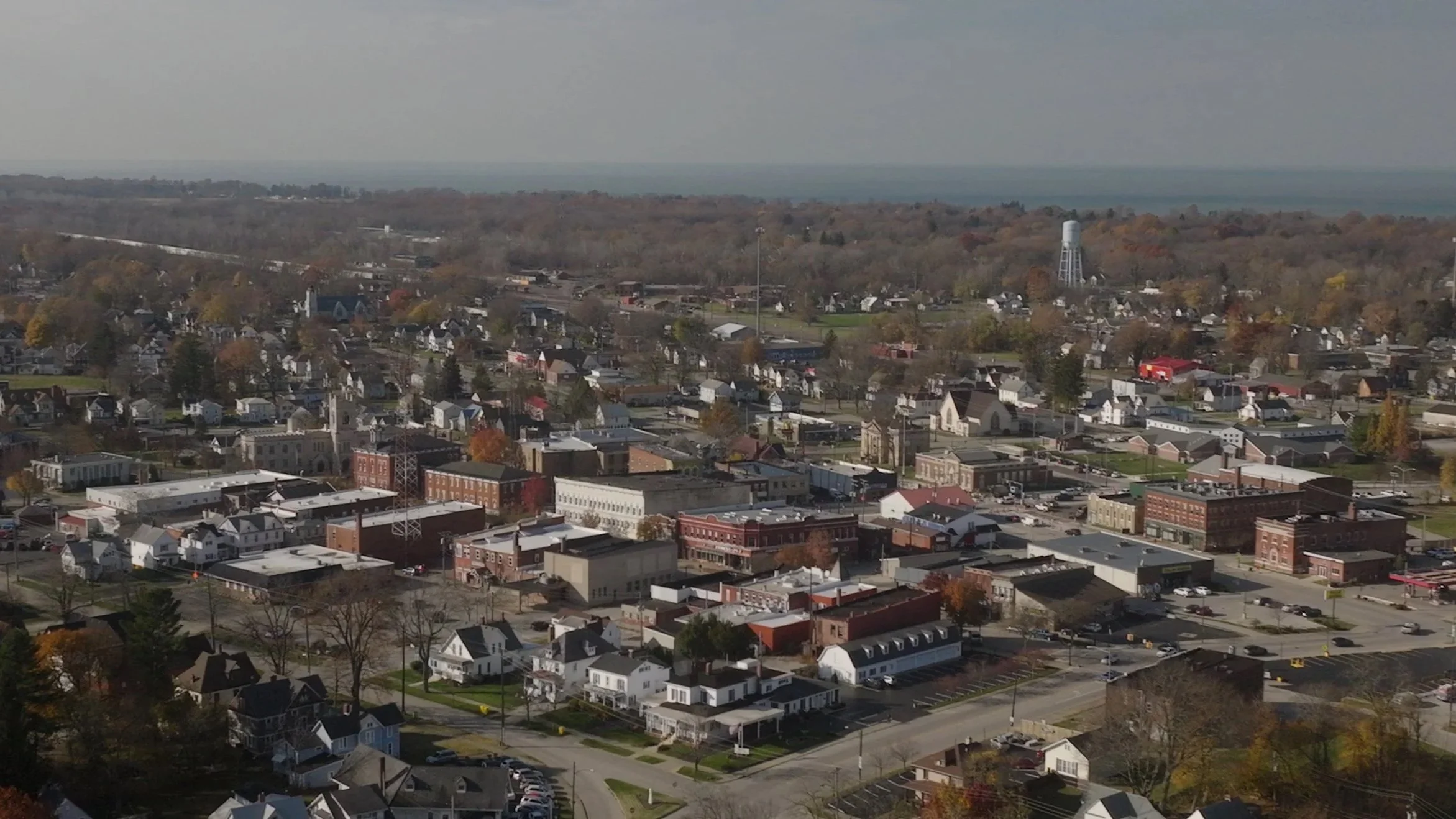
Image: Capture

Image: Ying Owens, Pexels
The Scientific Challenge
The nocturnal migration of small-bodied birds is inherently difficult to study. For decades, radar-based research has shaped the understanding that these birds fly at high altitudes, spread out like the stars, and generally fly straight over large bodies of water. But the Great Lakes regularly generate wind and weather patterns much different than those found on land. And emerging science and Captain Perkins’ four decades of observations and data posit that a significant proportion of birds move through this region at low altitudes near the water surface following islands and shorelines, often in inclement weather. Understanding how birds move ‘under the radar’ in space and time through the Great Lakes region has profound implications for bird mortality and survivorship.
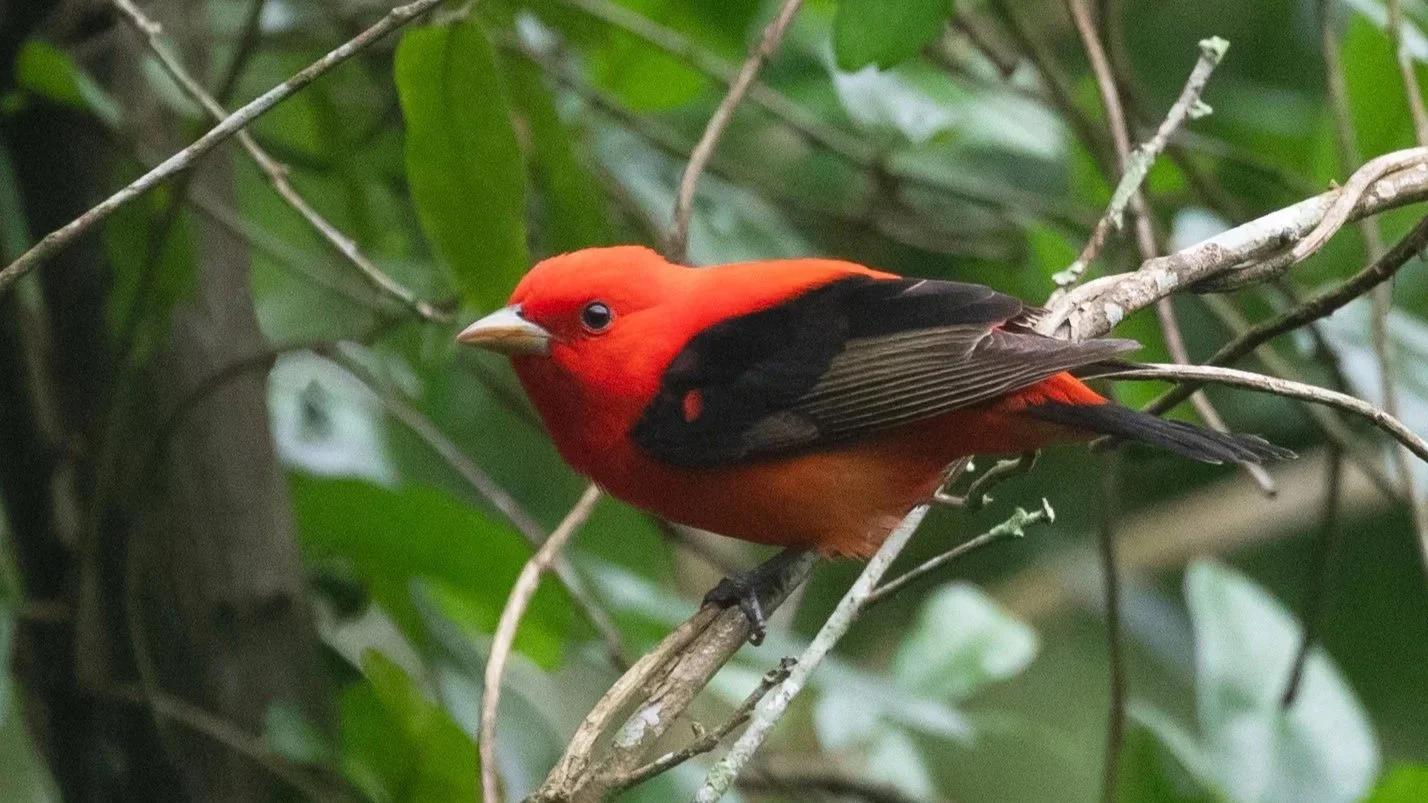
Image: Erik Bruhnke
Our Solution
Well-told stories have the power to cultivate value change and inspire collective action. The journey and survival of migratory birds in the Great Lakes region is a tale of immense beauty and resilience wanting to be told in new and incisive ways. Captain Perkins is the mid-century hero waiting to tell it. The captain’s passion, and ours, is to better understand, map, and bring the journey of bird migration to life. Our ultimate goal it to inspire collective action to protect this phenomenon as a unique source of identity throughout the Great Lakes basin.
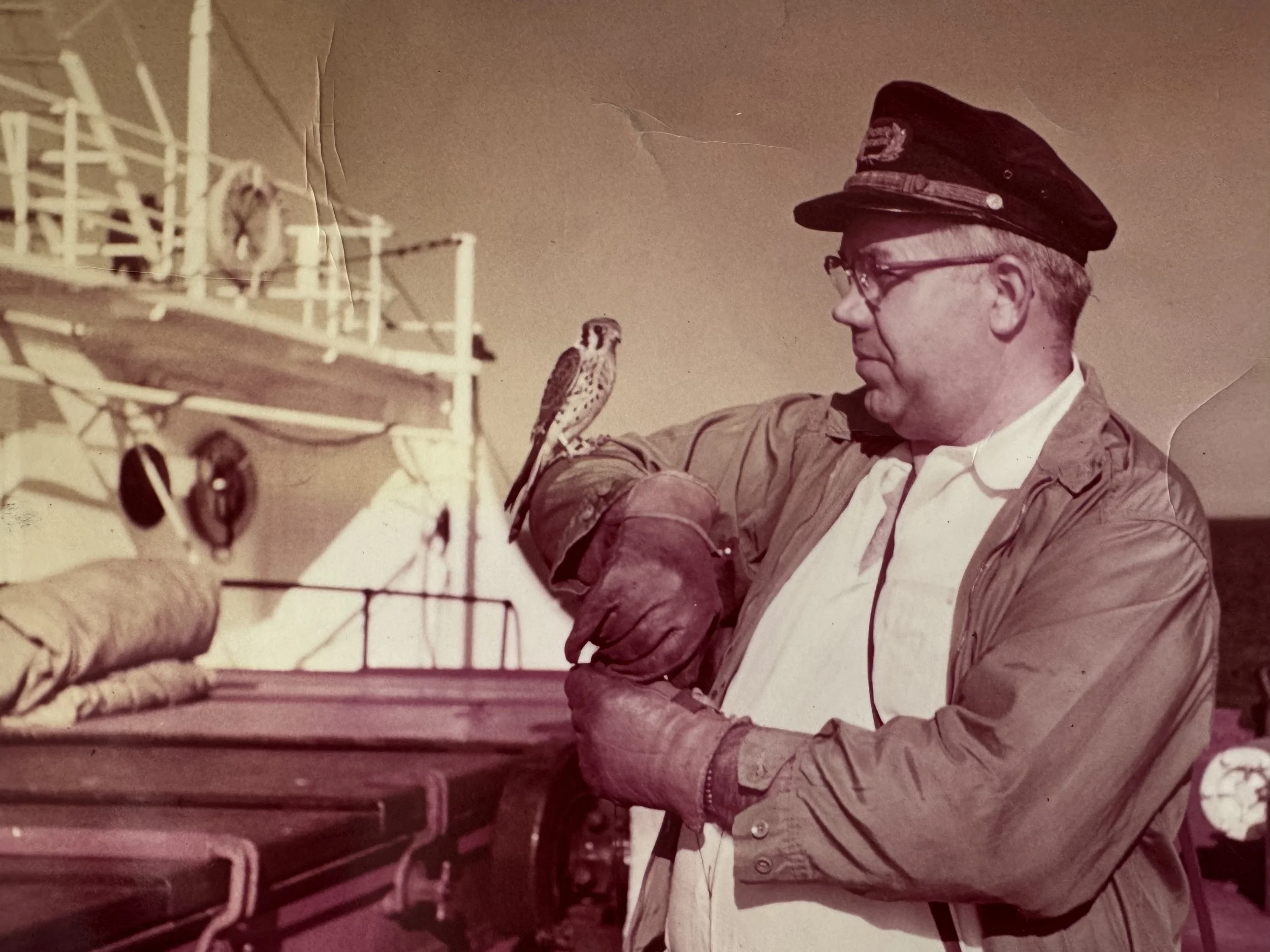
Image: J. P. Perkins
Why Now?
Since 1970, one in four birds have disappeared, most of them migratory. Simple, scalable actions can help stop this decline. Captain Perkins is a hero for our times whose story has power to connect people across geographies and cultures, and motivate collective action.
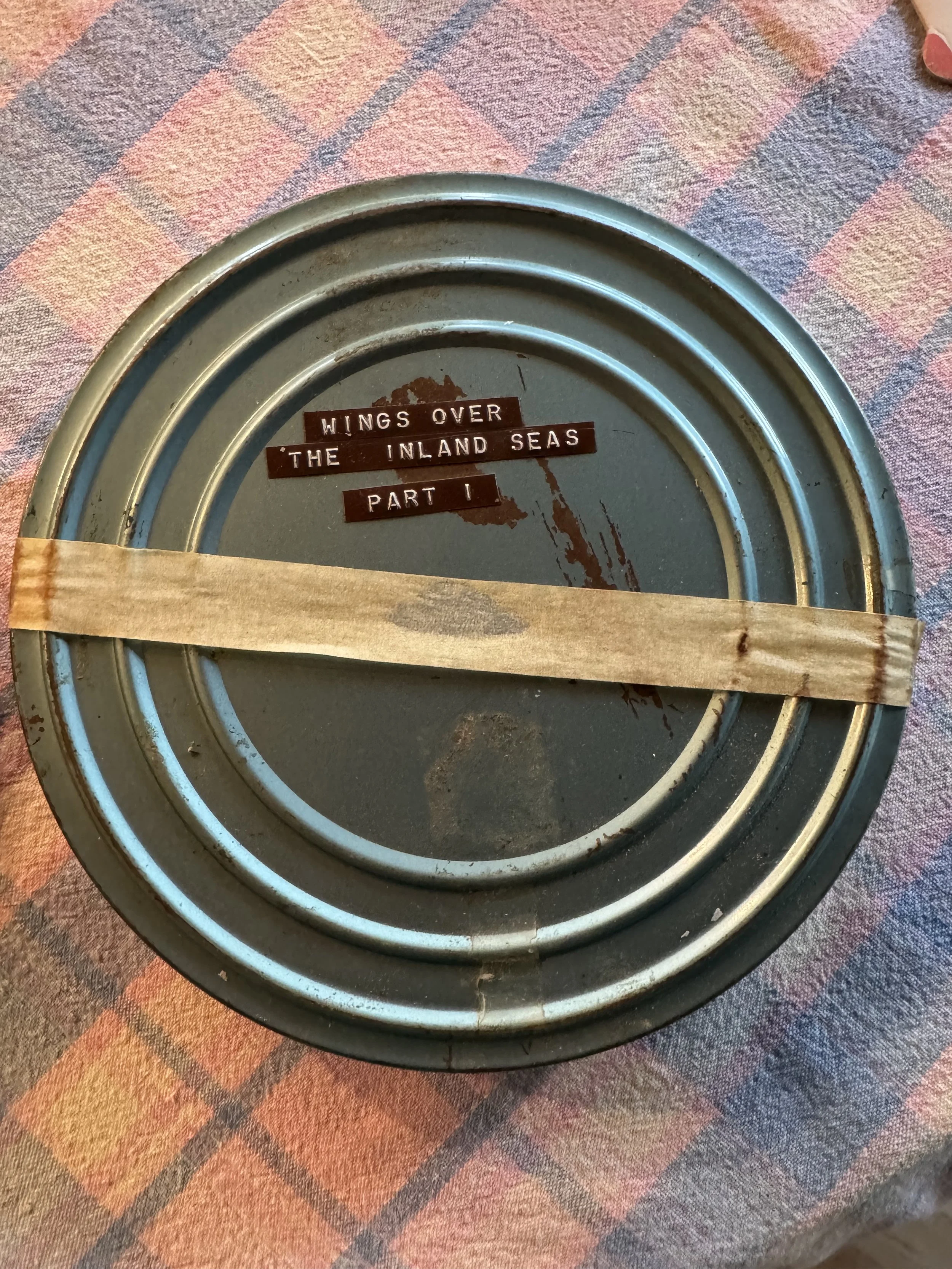
Image: Janelle Cole
Impact
Connect. Cultivate a rich human-interest story to connect people with nature through the beauty and complexity of migrating birds.
Imagine. Develop film, art, curricular, and multi-media resources to bring to life a natural phenomenon that passes over us while we sleep but is notoriously hard to see.
Amplify Actions. Promote awareness of and safe travel for migrating birds by highlighting the work of project partners to build bird friendly communities.
Reduce Mortality. Foster implementation of proven practices that mitigate human-caused mortality at critical periods of migratory birds’ life cycles.
Support Conservation. Pair the captain’s data and observations with 21st century techniques to address today’s scientific questions and conservation outcomes.
Promote Tool Development. Help to map patterns of Great Lakes migratory bird movements in space and time to directly inform management needs and actions.
Long-Term Project Products
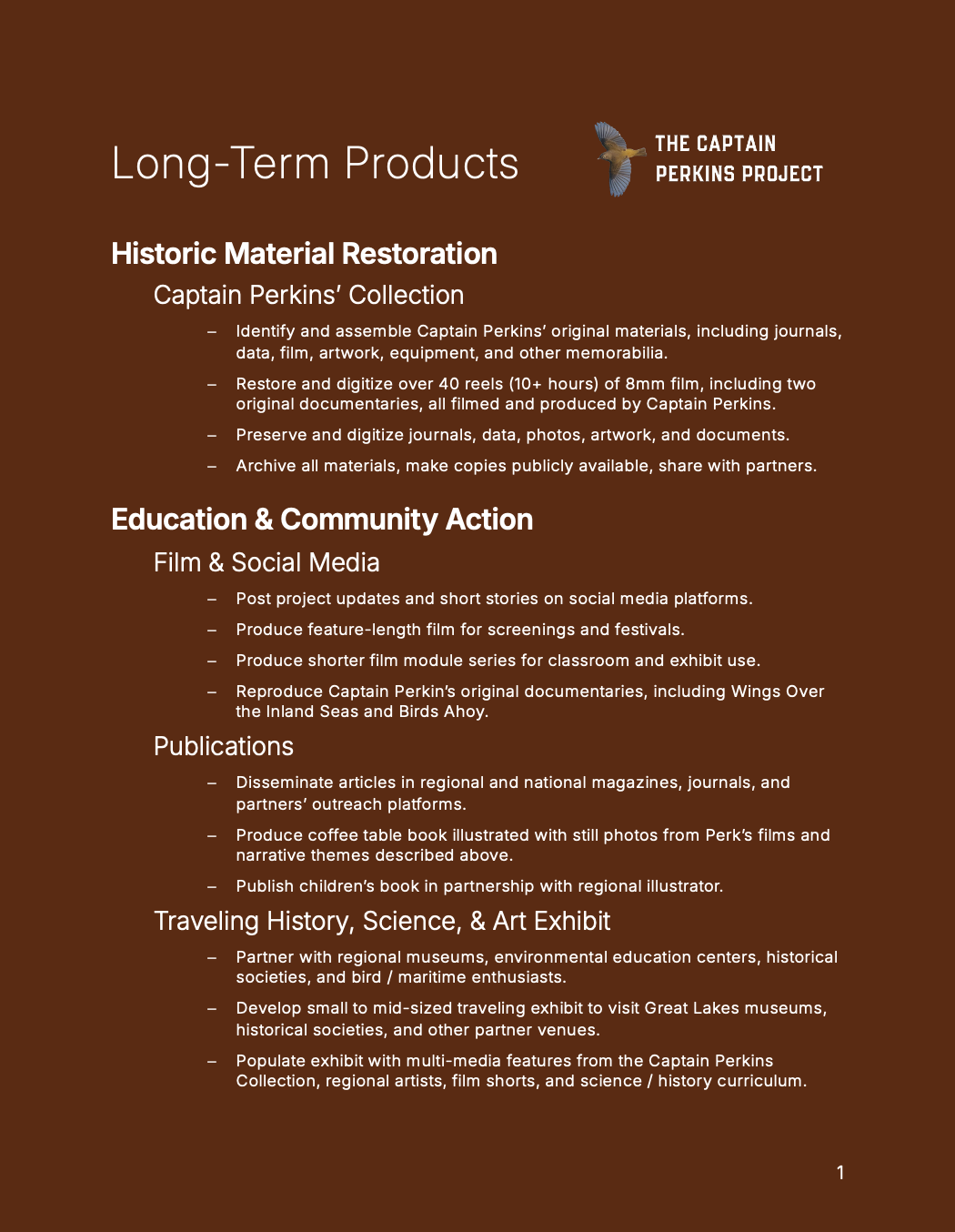
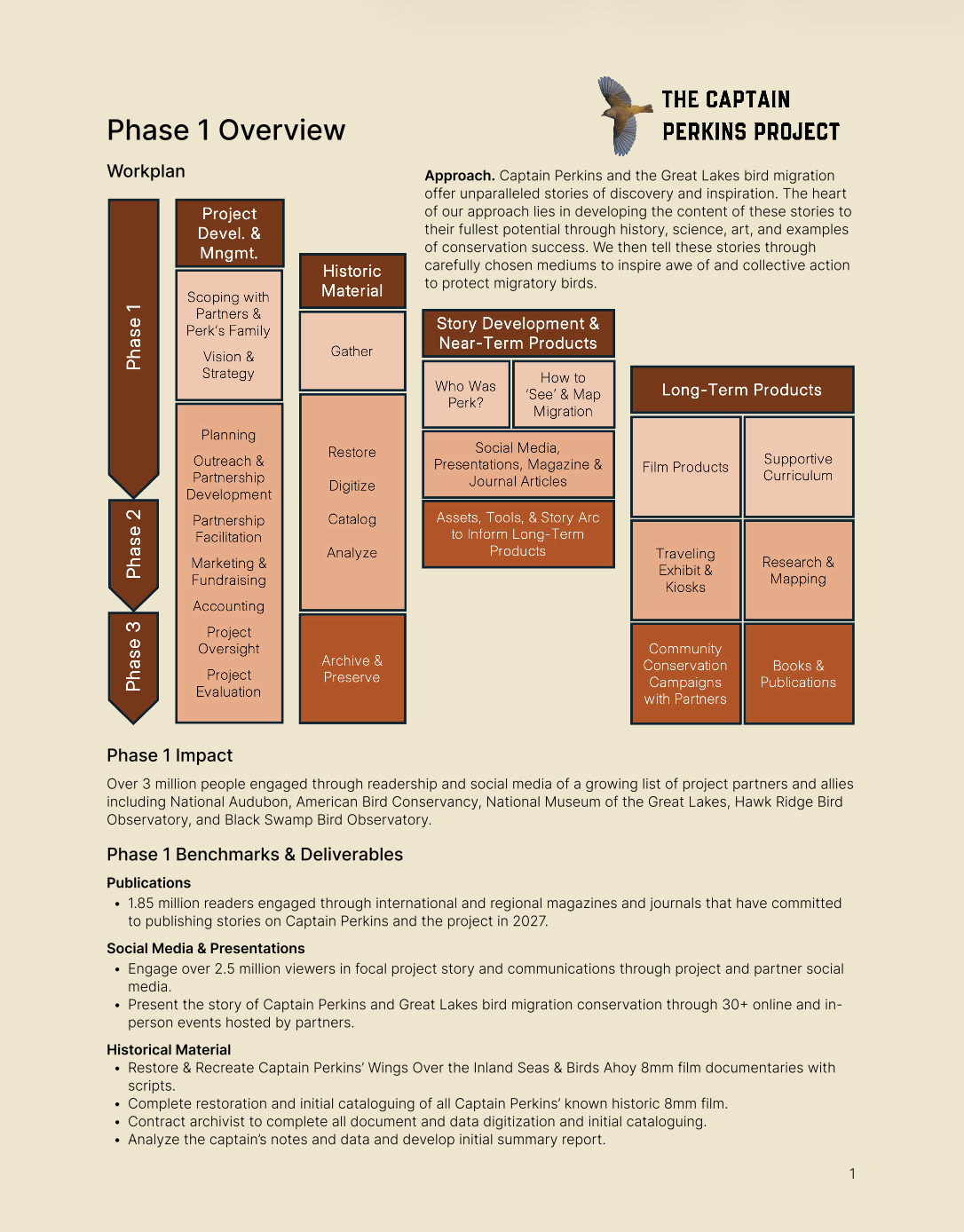
Phase 1 Overview